
Dog training for first time owners
First time owners rarely have a difficult dog. They have a normal dog and no reference point, so every ordinary bit of puppy behaviour feels like a warning sign.
Over 10,000 dogs trained means we can usually tell you within a minute whether what you are seeing is a problem, or just a Tuesday.
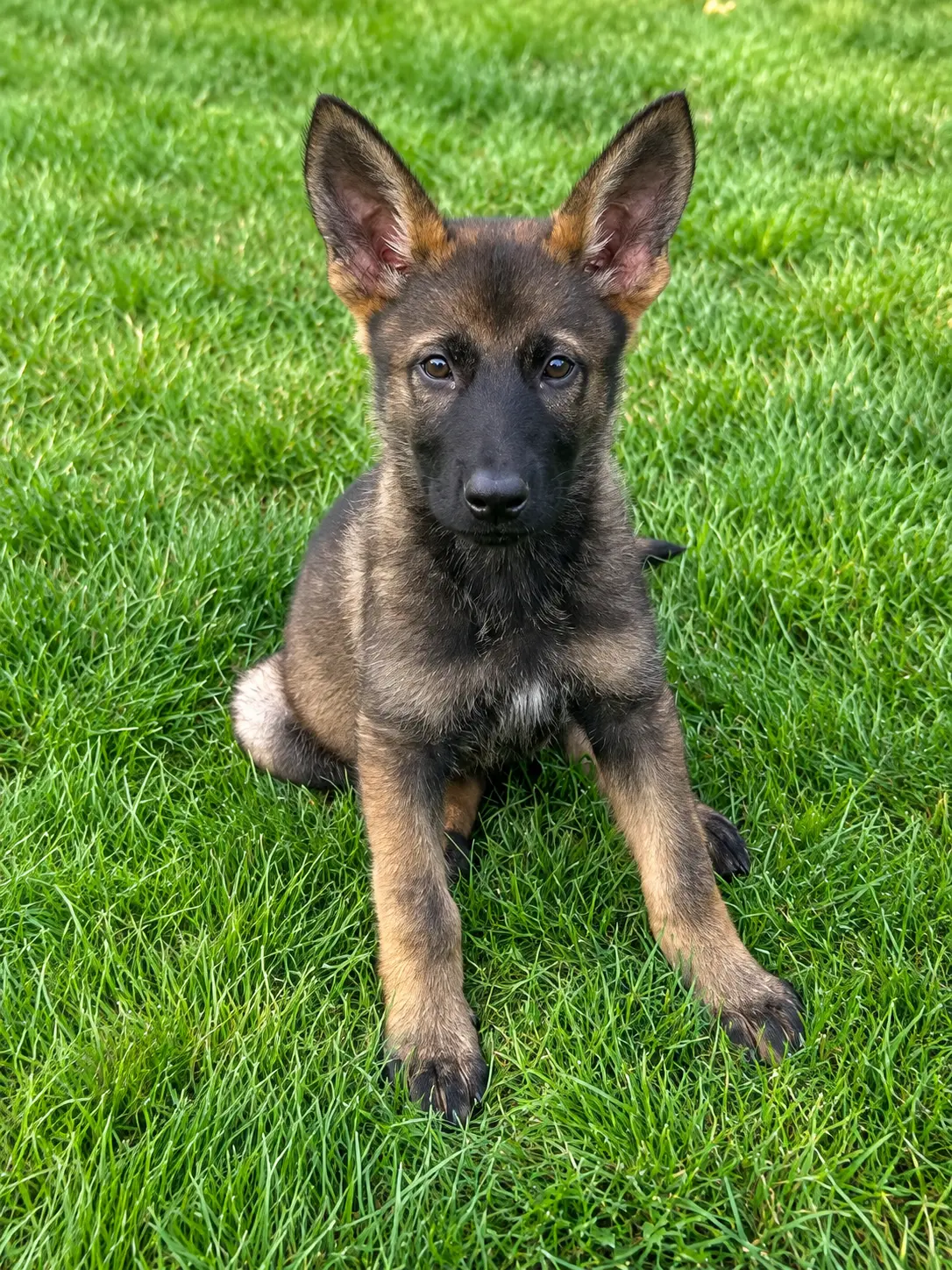
What we get called about most
- Puppy biting and mouthing
- Toilet training accidents
- Pulling on the lead
- Jumping up at visitors
- Crying in the crate at night
The five things that decide how the next ten years go
- Enough sleep, especially in puppyhood
- Consistent rules across the whole household
- Calm, varied socialisation
- Rewarding the behaviour you want
- Getting help early, not late
Sleep is the most underrated part of training
Puppies need 16–18 hours of sleep a day. An overtired puppy bites harder, listens less and struggles to settle. Build naps into the day and half your "behaviour problems" disappear.
When to ask rather than google
If you're seeing growling over food, bites that break skin, or fear that's getting worse, stop searching and ask. Online advice is often wrong in one direction or the other.
How the programme runs
- 01
Free phone consultation
- 02
Home visit
- 03
Foundation sessions
- 04
Adolescence check-in
Questions first-time owners ask
Is my puppy's biting normal?
Almost always, yes. Puppy mouthing peaks when they're overtired and usually fades by 5–6 months with the right routine.
When should training start?
The day your dog comes home. Early sessions are about routine, calm and confidence rather than formal commands.
Do I need 1-2-1 or group classes?
Most first-time owners get the fastest results from a few private sessions first, then use classes for practice around distractions.
What if we've already made mistakes?
Everyone does. Dogs are forgiving — a clear plan now matters far more than anything that happened before.
Ready to talk about your dog?
Free phone consultation — fill in the form and we'll call you straight back.